There is no single correct number of bar tools for every commercial bar. Start with the number of production stations that will be active during the busiest service period, then calculate the tools working at those stations, the units temporarily unavailable for washing, and a central backup pool.
Seat count and bartender headcount provide context, but neither gives the final answer on its own. A 100-seat restaurant that sells mostly beer and wine may use fewer cocktail tools than a 40-seat bar receiving several different handmade cocktail orders at once. This commercial bar tools checklist turns that operating difference into a buying plan.
Count Active Production Stations First
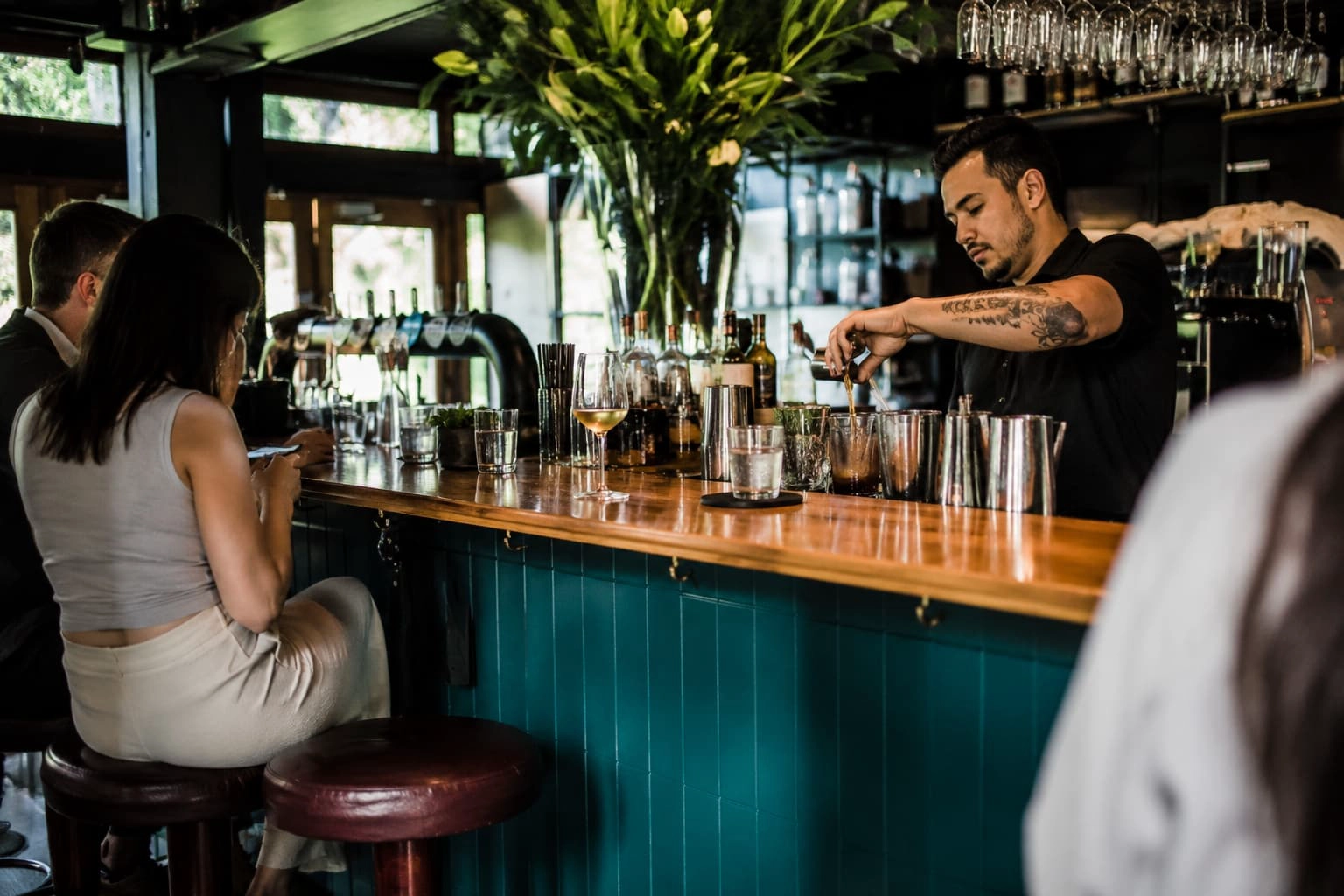
An active station is a position from which a bartender can complete the main drink-making sequence during peak service. It normally needs practical access to ice, core bottles, measuring tools, shaking or stirring tools, strainers, glassware and a rinsing point. A long counter is not automatically several stations, and two bartenders sharing one ice bin and one narrow work area may still be operating from a single station.
Before setting quantities, identify how many stations will be open at the busiest time. Include a separate service bar if dining-room tickets are produced away from guest-facing stations. Then note how many bartenders work at each station, the likely order wave, the percentage of cocktails in total beverage sales and whether signature drinks are pre-batched.
Menu size alone is a weak guide. Eighteen cocktails can be manageable when orders concentrate on a few batched drinks. A shorter menu can require more tools when several shaken and stirred recipes regularly arrive together.
Build Three Quantity Layers
Each tool needs a working quantity, a rotation quantity and a backup quantity.
Working tools are the pieces that can be in use at the same time during a realistic peak order. This number determines whether the station can build several drinks without waiting for a container, jigger or strainer.
Wash and rotation tools replace pieces that are being rinsed or temporarily occupied by honey, syrup, fruit puree, cream, egg or a strong flavor. Where the sink is distant or tools go to a separate warewashing area, more rotation stock stays in circulation.
Central backup covers drops, dents, broken mixing glasses, lost strainers and temporary station expansion. It should remain separate from the normal working set; otherwise the “backup” will already be on the station when a failure occurs.
Starting Quantities for One Commercial Bar Station
The ranges below come from the operating scenarios and customer feedback available to us. They are purchasing starting points rather than a universal industry standard. Use the minimum column to establish basic function, then move toward the peak range when the menu, washing cycle or order pattern creates a clear reason.
| Tool |
Minimum functional set |
Peak-service starting range |
Increase when |
| Boston shaker sets |
2 per station |
4 for a busy single-bartender station; 6–8 where two bartenders share one station |
Several different shaken drinks are built together, pre-batching is limited or rinsing is slow. |
| Jiggers |
2 per station |
2–3 per station |
Sticky purees, syrups or strong flavors require immediate rinsing, or different measurement formats are used. |
| Hawthorne strainers |
2 per station |
3–4 per station |
Shaken drinks dominate and strainers frequently collect at the sink. |
| Mixing glasses |
1 per station |
2–3 for one bartender; up to 4 for a shared stirred-drink station |
Several stirred drinks are built together or glass breakage needs a local replacement. |
| Bar spoons |
1 for each active mixing glass |
2–3 per station |
More than one mixing glass is regularly in use. |
| Fine strainers |
1 per station |
1–2 per station |
Double-strained drinks form a meaningful share of peak orders. |
| Julep strainers |
1 per station or shared nearby |
1–2 per stirred-drink station |
The menu has a high proportion of stirred drinks. |
| Muddlers |
1 per station or shared nearby |
1–2 per station |
Fresh muddling is frequent rather than occasional. |
| Openers and garnish tools |
1 working set per station |
Add a second frequently used tool where needed |
Sharing makes bartenders leave the station or wait during peak service. |
Four shaker sets do not mean that one bartender must shake four drinks at once. Extra tins can hold separate recipes while the bartender shakes two, strains them and moves to the next pair. The useful number therefore reflects both physical shaking and the number of orders being built through the station.
Let Menu Mix and Washing Conditions Adjust the Table
A shaken-drink menu pushes investment toward Boston tins and Hawthorne strainers. A stirred-drink program needs more mixing glasses, bar spoons and Julep strainers. Frequent double straining can turn one fine strainer into a bottleneck, while a muddler can remain shared when only a small number of drinks use fresh fruit or herbs.
The count of cocktail names matters less than the number of different production paths arriving together. Ask how many shaken drinks may be built at the same time, how many stirred drinks can appear in the same ticket wave and which recipes are batched before service. A signature drink produced from a prepared batch does not place the same demand on measuring and mixing tools as a fully assembled order.
Washing can change the answer again. A nearby rinser, dipper well or sink can return tins and jiggers quickly. A distant wash area reduces the number available on the station. Honey, maple syrup, puree, dairy, egg and strongly flavored ingredients also create immediate cleaning needs. In those menus, a third jigger may be a normal rotation tool rather than emergency backup.
Capacity and markings also need to match the recipe system used by the bar. Buyers sourcing measurement tools can review our jigger buying guide before deciding which volume combinations belong at each station.
What One Handmade Cocktail Program Used
One customer described a bar with fewer than 20 cocktails, little pre-batching and a strong focus on drinks made to order. Each bartender worked with four Boston shaker sets, three Hawthorne strainers, two to three jiggers, one fine strainer, one muddler, two mixing glasses and two bar spoons. Additional Julep strainers supported the stirred drinks.
That configuration should not be copied simply because the menu had fewer than 20 drinks. It made sense because several handmade recipes could enter production together and tools needed to rotate through washing. The menu length was only background information; order concurrency and production method explained the quantity.
The same operation described four shaker sets as useful for a single busy station and six to eight when two bartenders sometimes shared the workspace. That range provides a practical upper scenario, but it also reveals a limit: more tins cannot repair an ice, sink or movement bottleneck.
Separate Tool Shortages From Layout Problems
High-frequency tools should normally be repeated at each active station. Shakers, jiggers, Hawthorne strainers, bar spoons and common openers can interrupt service immediately when a bartender has to borrow them from another station.
Lower-frequency tools can sometimes be shared between neighboring stations. Fine strainers, special muddlers, Julep strainers, peelers, garnish tweezers and unusual ice tools belong in this group when the menu uses them occasionally. The decision is operational: if sharing repeatedly makes someone leave the station or wait, the tool is no longer a good shared item.
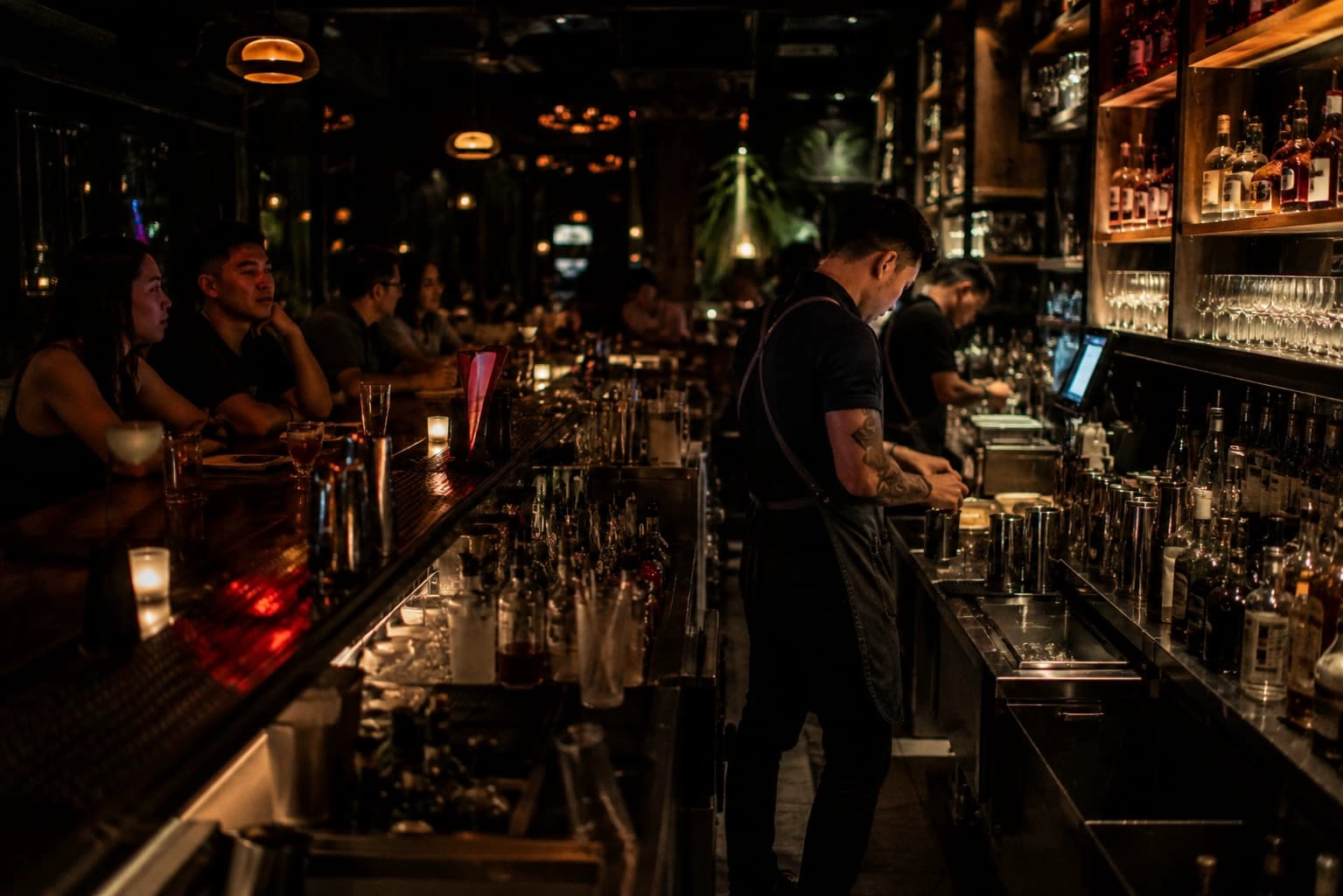
More equipment is not always the solution. Two bartenders crossing each other to reach one ice bin, speed rail, sink or ticket screen will still lose time with eight shaker sets. Frequently used tools should sit within a short working reach, and each station needs a fixed reset position so bartenders, barbacks and cleaning staff return items to the same place.
Before purchasing movable tools, separate them from refrigeration, sinks, ice machines and installed underbar equipment. Our custom bar supplies manufacturer checklist explains which stainless steel tools are suitable for factory sourcing and which installed equipment is usually handled locally.
Calculate the Opening Order and the Operating Par
Use this model for each tool:
Total quantity = working quantity for all active stations + wash and rotation quantity + central backup stock
Calculate tools separately because their usage patterns differ. Four active stations may each need several shaker sets, while one special muddler can still be shared between two adjacent stations. Do not multiply a pre-packed bartender kit across every station without checking whether its item mix matches the menu.
Opening quantity and long-term operating par are also different. During service, strainers can disappear into the wash area, tins can dent, weighted bases can loosen, finishes can wear and glass mixing vessels can break. Track which tools are unavailable first during a rush and which ones are replaced most often. That record gives the next replenishment order a stronger basis than the original opening list.
Before requesting a quotation, prepare the number of active stations, bartenders per station, expected peak order pattern, approximate shaken and stirred drink mix, washing setup, pre-batched drinks and the tools that need branding. Buyers can then review relevant stainless steel barware options without ordering the same generic set for every station.
Send E-BON your station count, menu production mix, working quantity assumptions, logo requirements and opening or replenishment schedule. We can help organize the stainless steel bar tools into a station-by-station product and sampling plan for your review.