







News
Home
> News

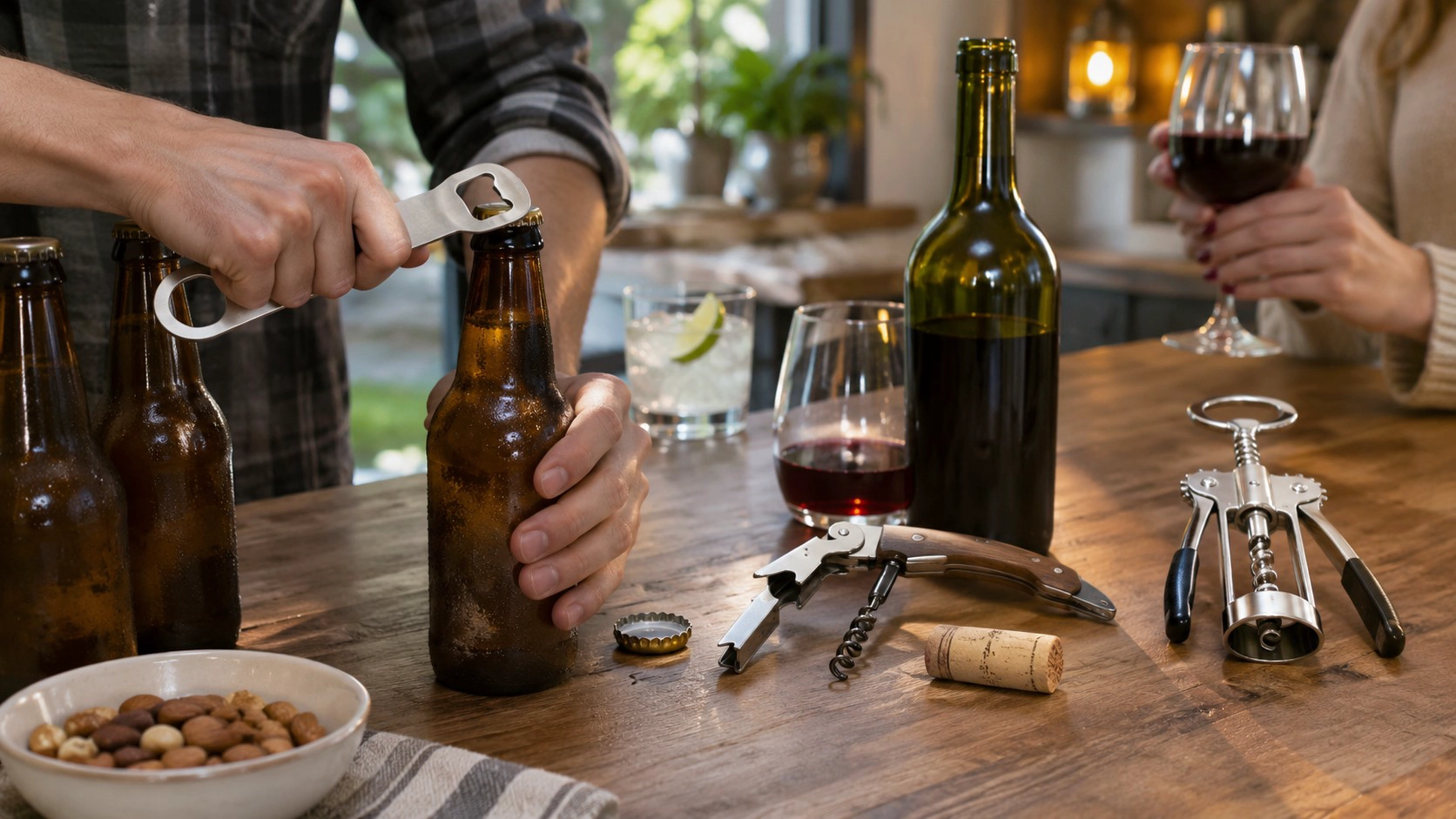
Bottle openers for crown caps and corkscrews for wine fail under completely different forces. This manufacturer guide compares seven commercial and promotional opener structures, covers core handling mechanics, explains the tooling shortcuts behind broken corks and bent caps, and provides a seven-point sample inspection checklist for bulk buyers.
Read More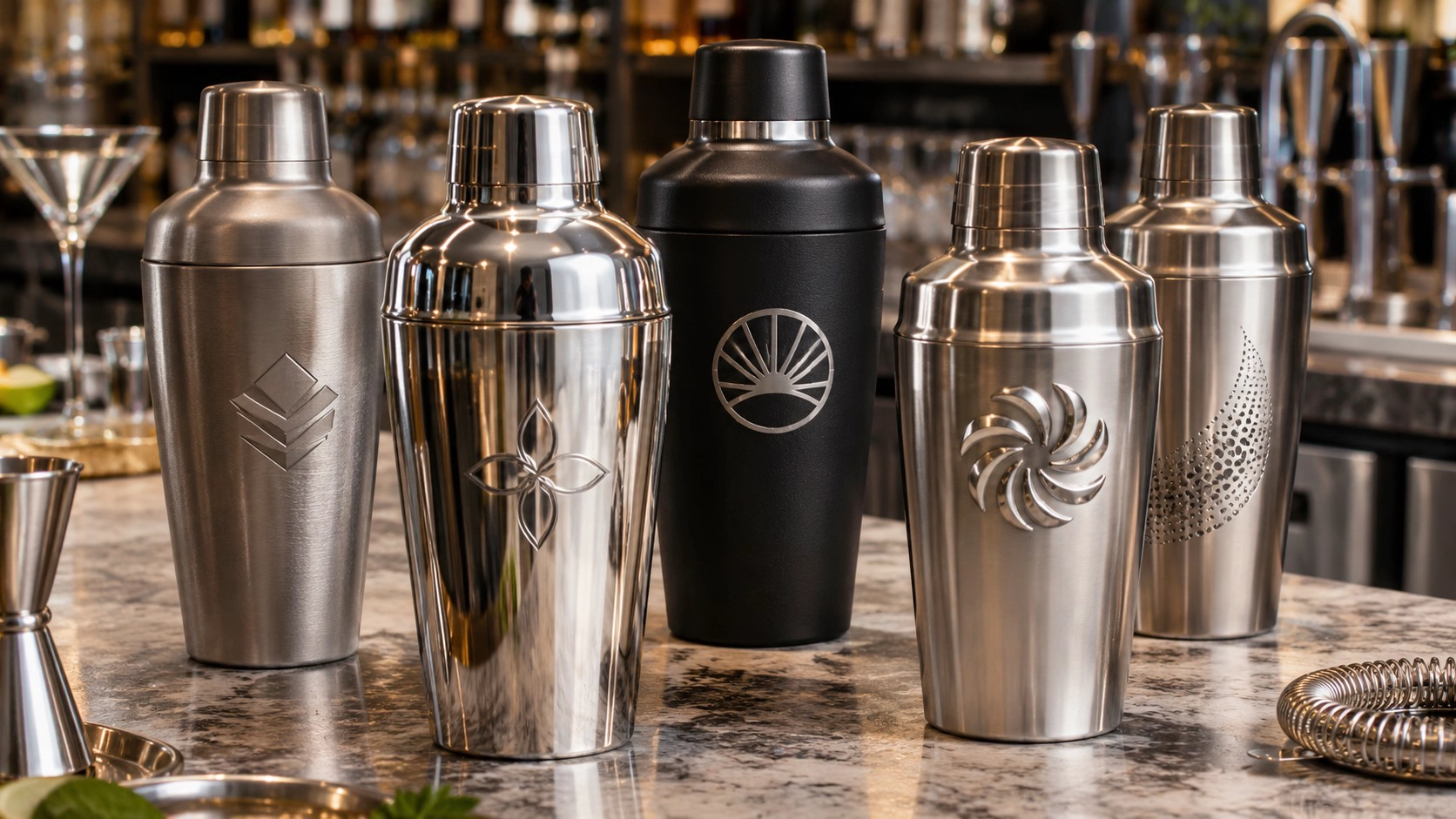
Six ways to put a logo on a custom cocktail shaker — laser, etching, silk screen, decal, embossing and relief — each wins in a different situation. This guide matches the method to your finish, your wash cycle and your order size, with a decision table up front and a five-point sample checklist at the end.
Read More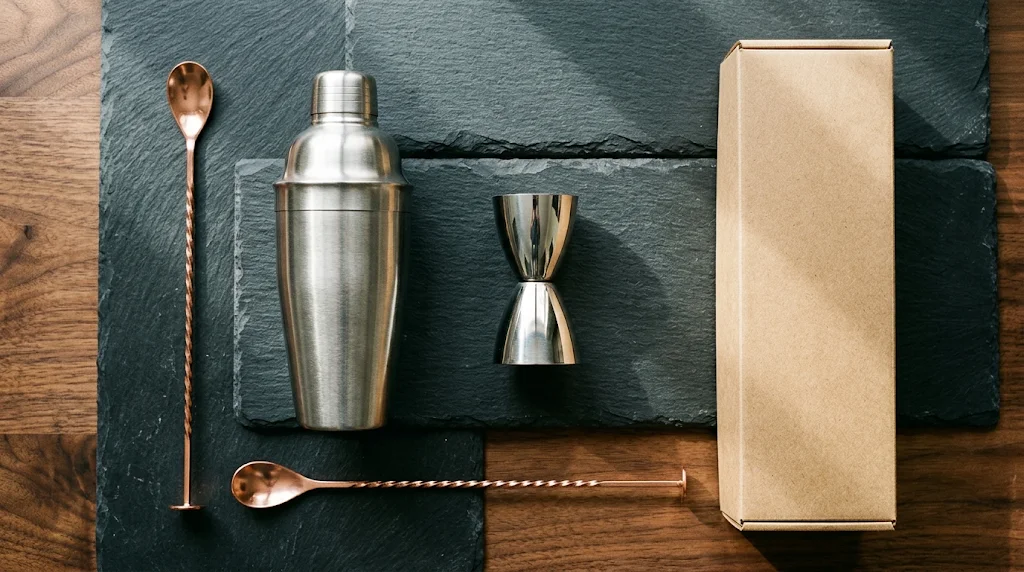
A custom barware quote splits into per-unit costs and one-time setup fees. This guide breaks down what drives each part, why two quotes for the same item can differ, and the spec checklist that makes quotes comparable.
Read More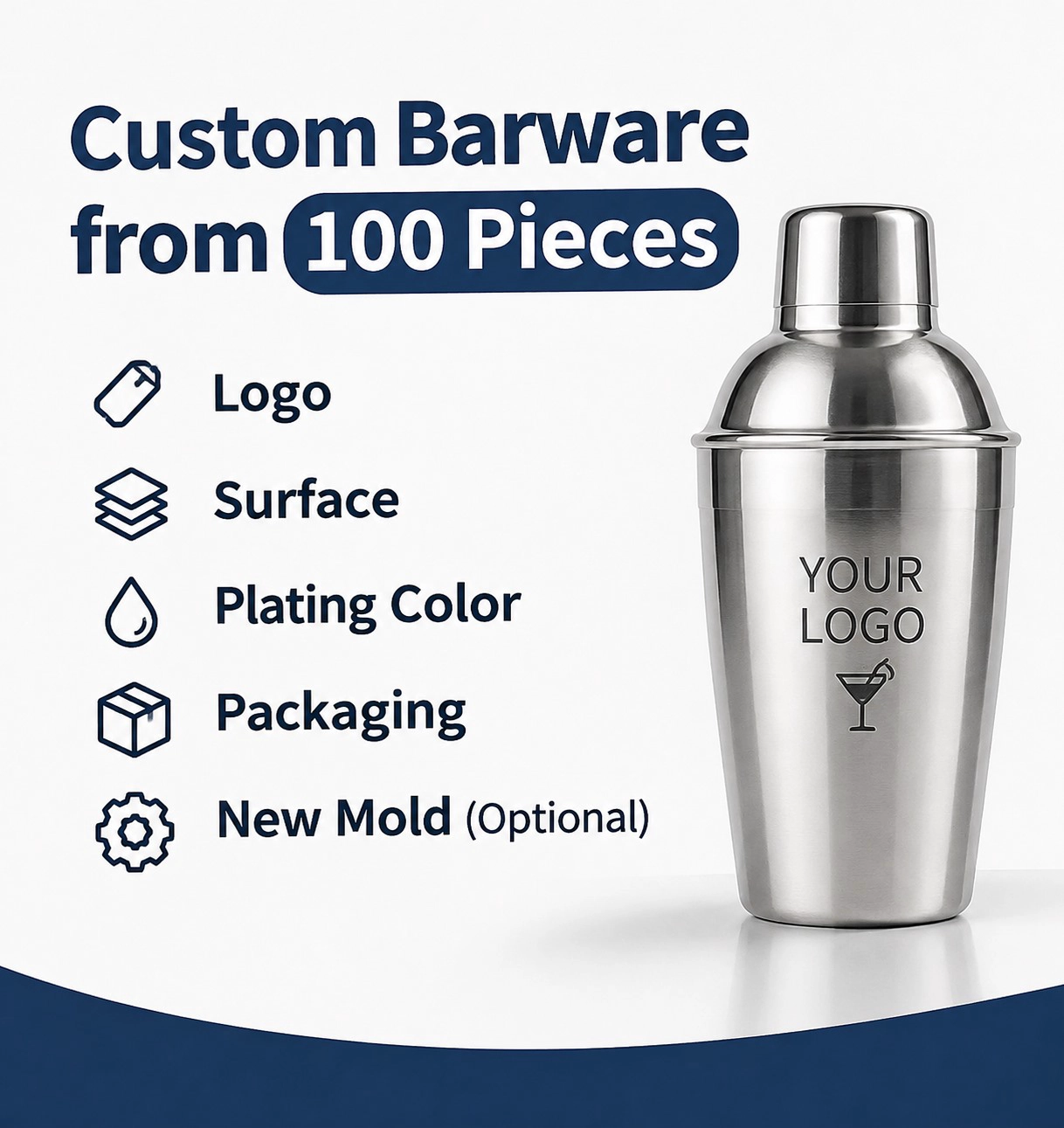
What a 100-piece order can include on stainless steel barware (logo, surface, plating color, packaging, or a new mold), why one-time setup work raises the unit price on small batches, how to keep a first order lean, lead times, and what to send for a quote.
Read More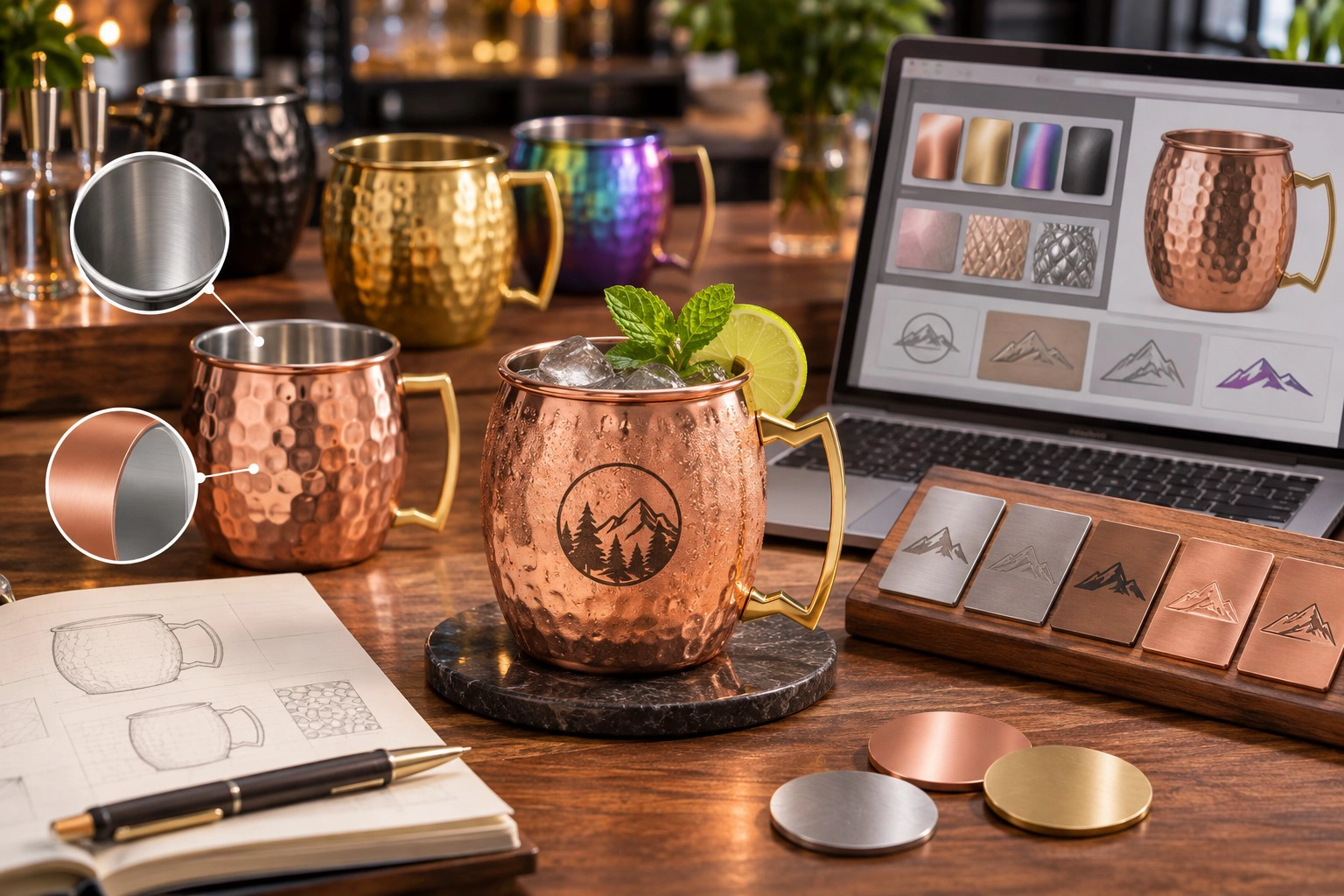
How to specify a custom Moscow Mule mug: settle the construction and interior, pick the finish, match the logo method to it on copper-plated or bare stainless steel, approve both on a sample, and send the right details for a quote.
Read More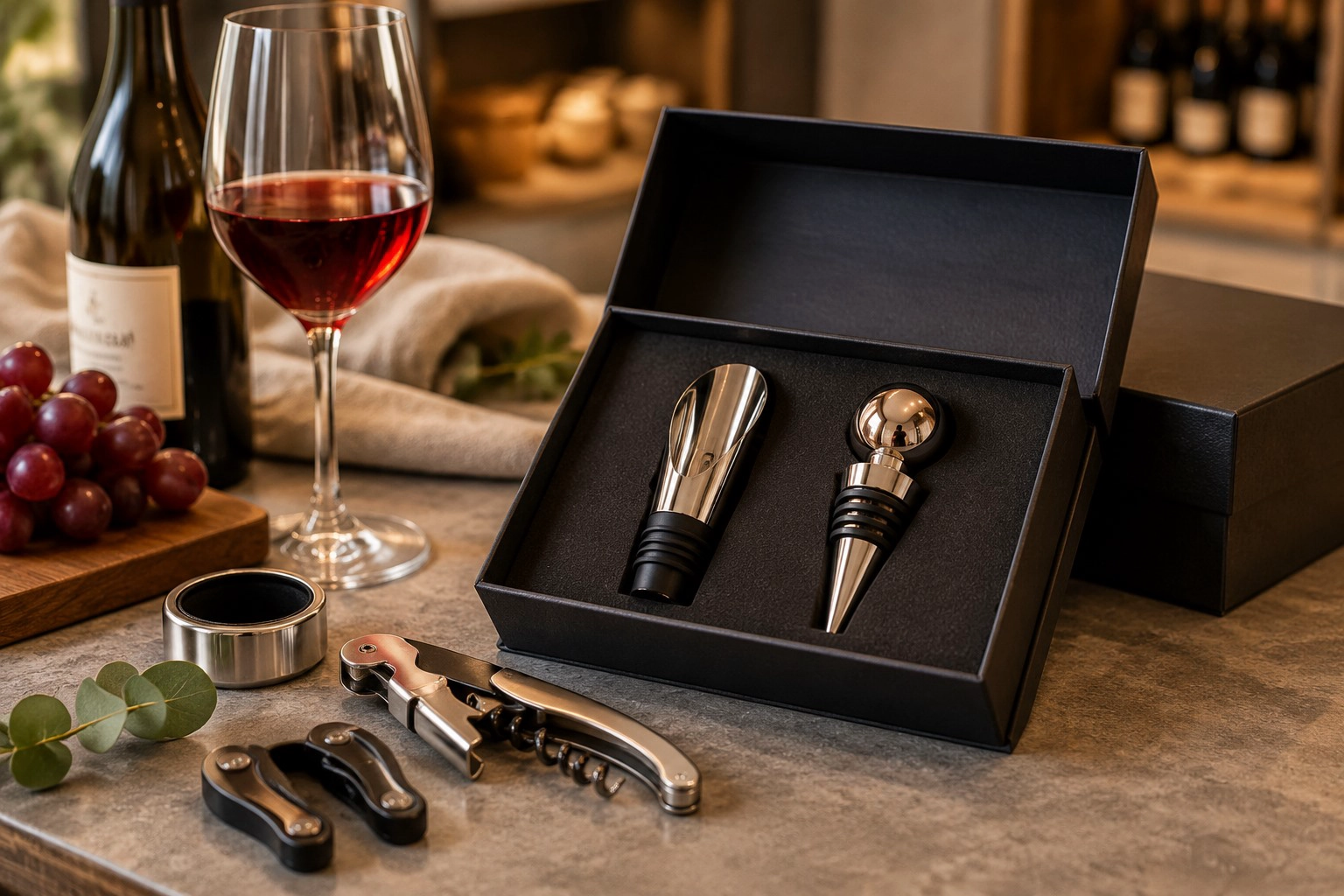
How wineries and drinks brands specify a custom wine accessory set: pick the use case first, then the pieces, die-cast zinc or stainless stopper, seal material, matched plating, logo position, box and insert, and approve it on your own bottles.
Read More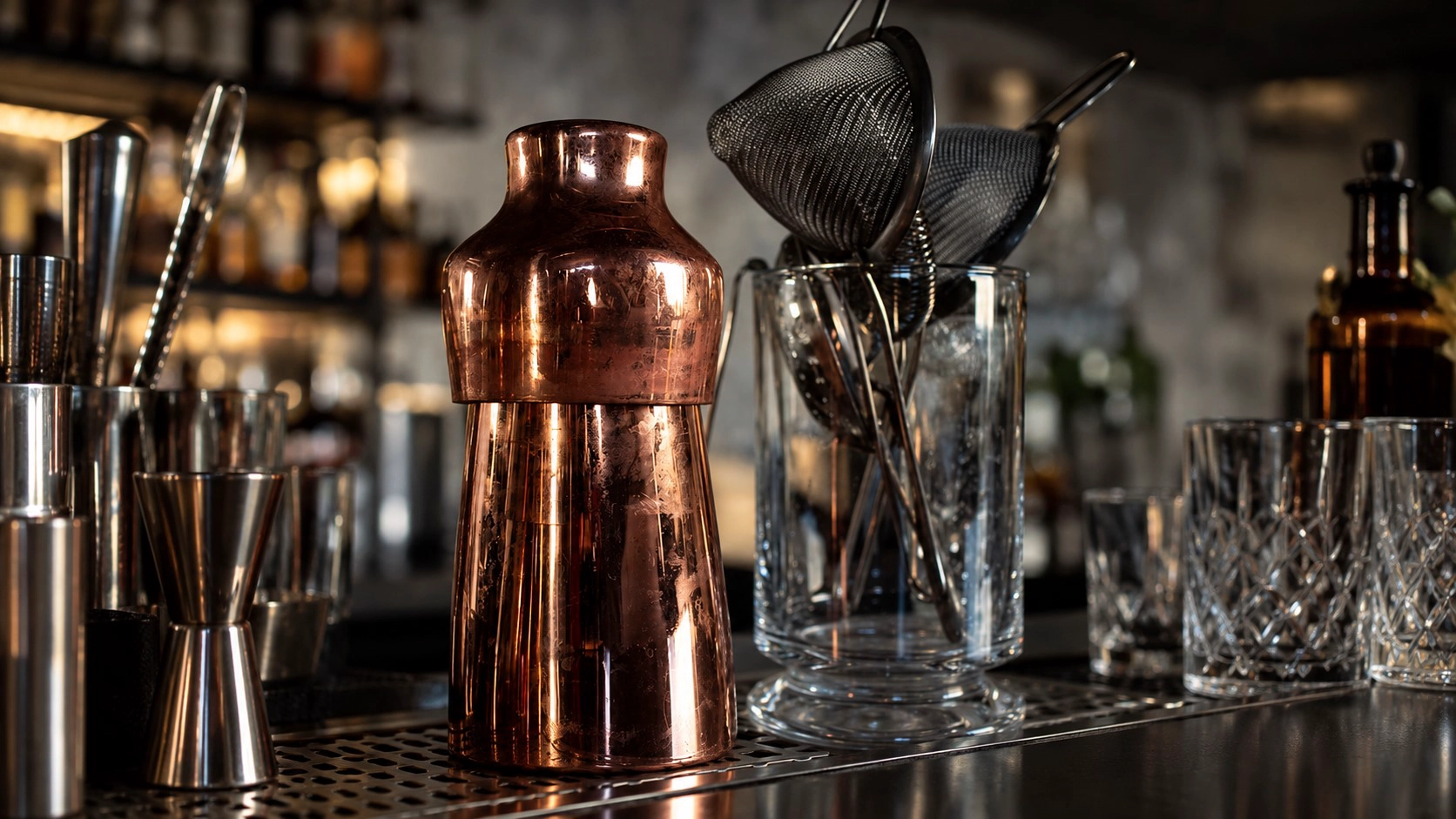
A French shaker seals with nothing but two pieces of steel — no threads, no lugs, no gasket. That means only two things can go wrong: it leaks while you shake, or it locks shut after you do. Both come from the same set of dimensions. This is the engineering behind that joint: why it has to be a shallow cone rather than a press fit, the four values E-BON sets before cutting tooling (8–12 mm engaged length, 2°–3° taper per side, 0.10–0.25 mm interference, 0.5–1.0 mm axial clearance), why roundness rather than diameter is what buyers feel, why the mouth needs a separate sizing die after springback, and why a plated version cannot share the same mouth dimension as an unplated one.
Read More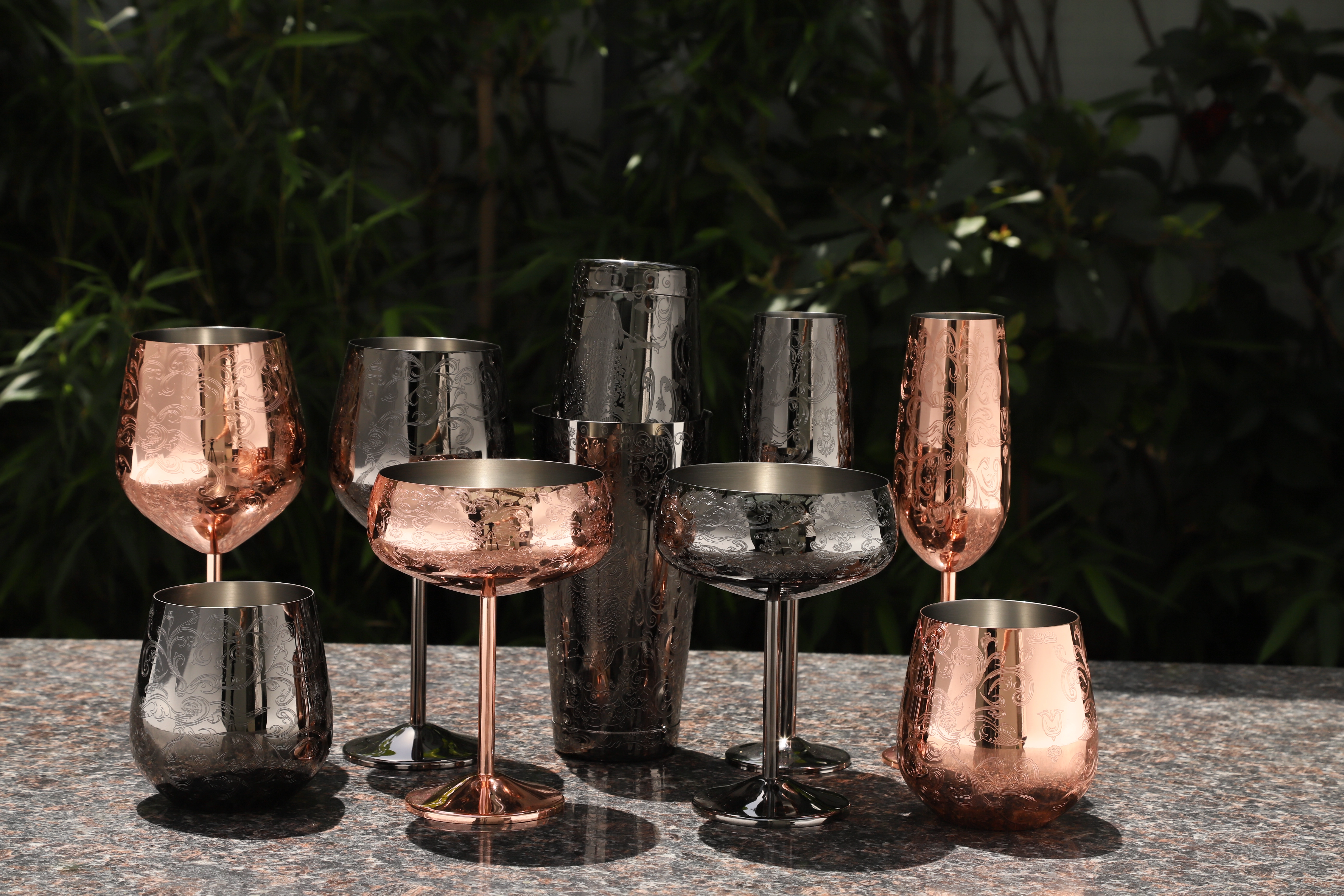
What to confirm before ordering etched stainless steel tumblers in bulk: how etching compares with printing and laser marking, artwork file requirements, base tumbler specs, etched-surface defect checkpoints, and MOQ, packaging and sample timing.
Read More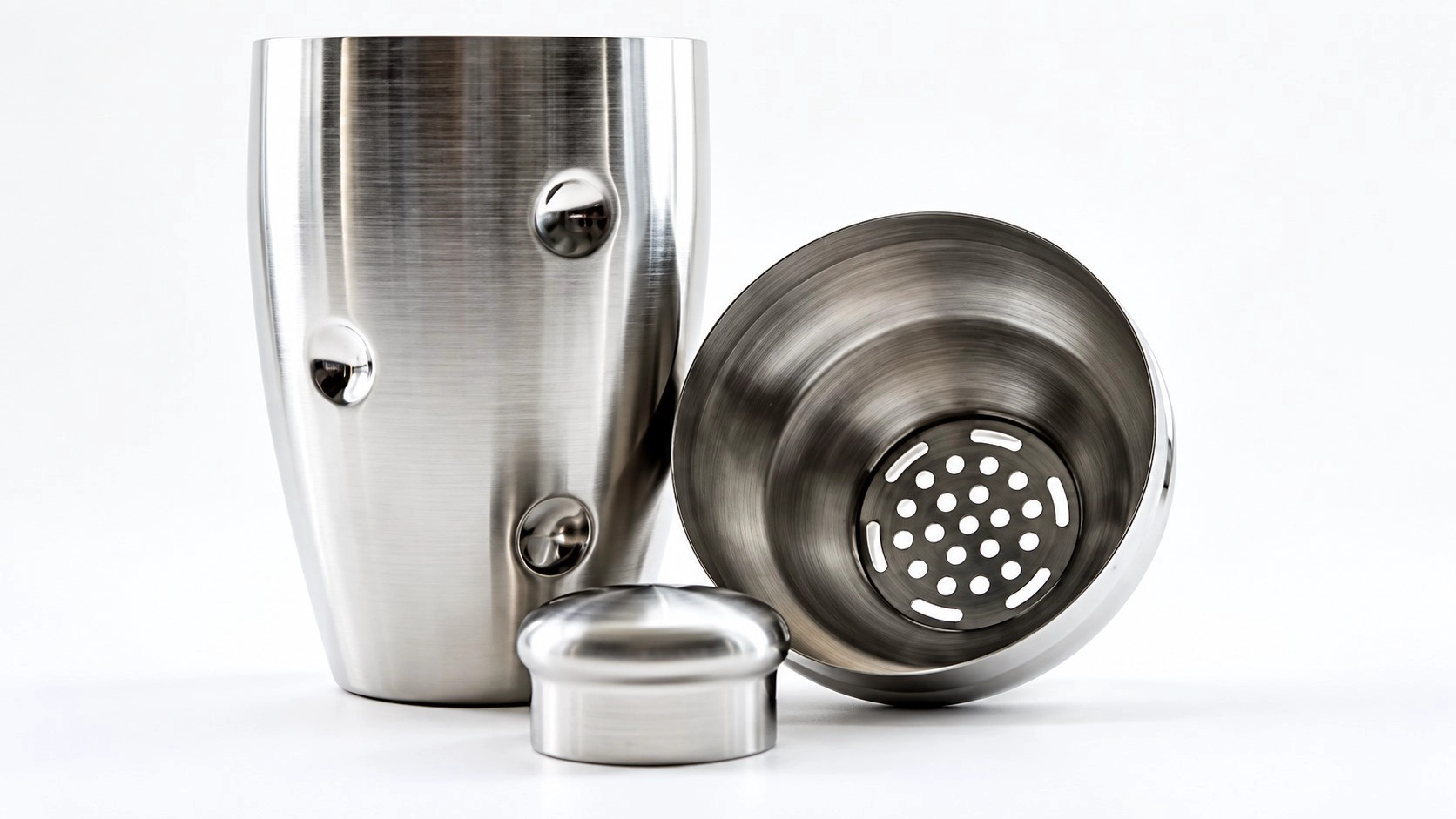
Explains the material difference between 304 and 201 stainless steel, why 201 shows up in aggressively priced barware quotes, where the difference actually shows up after an order ships (corrosion, finish stability, the unreliable magnet-test shortcut), and gives buyers a concrete way to confirm grade in writing before comparing supplier quotes.
Read More
A practical guide for comparing shortlisted barware suppliers. It explains how to align quotations, assess relevant manufacturing experience, connect approved samples to bulk production, and confirm inspection, delivery and corrective-action responsibilities.
Read More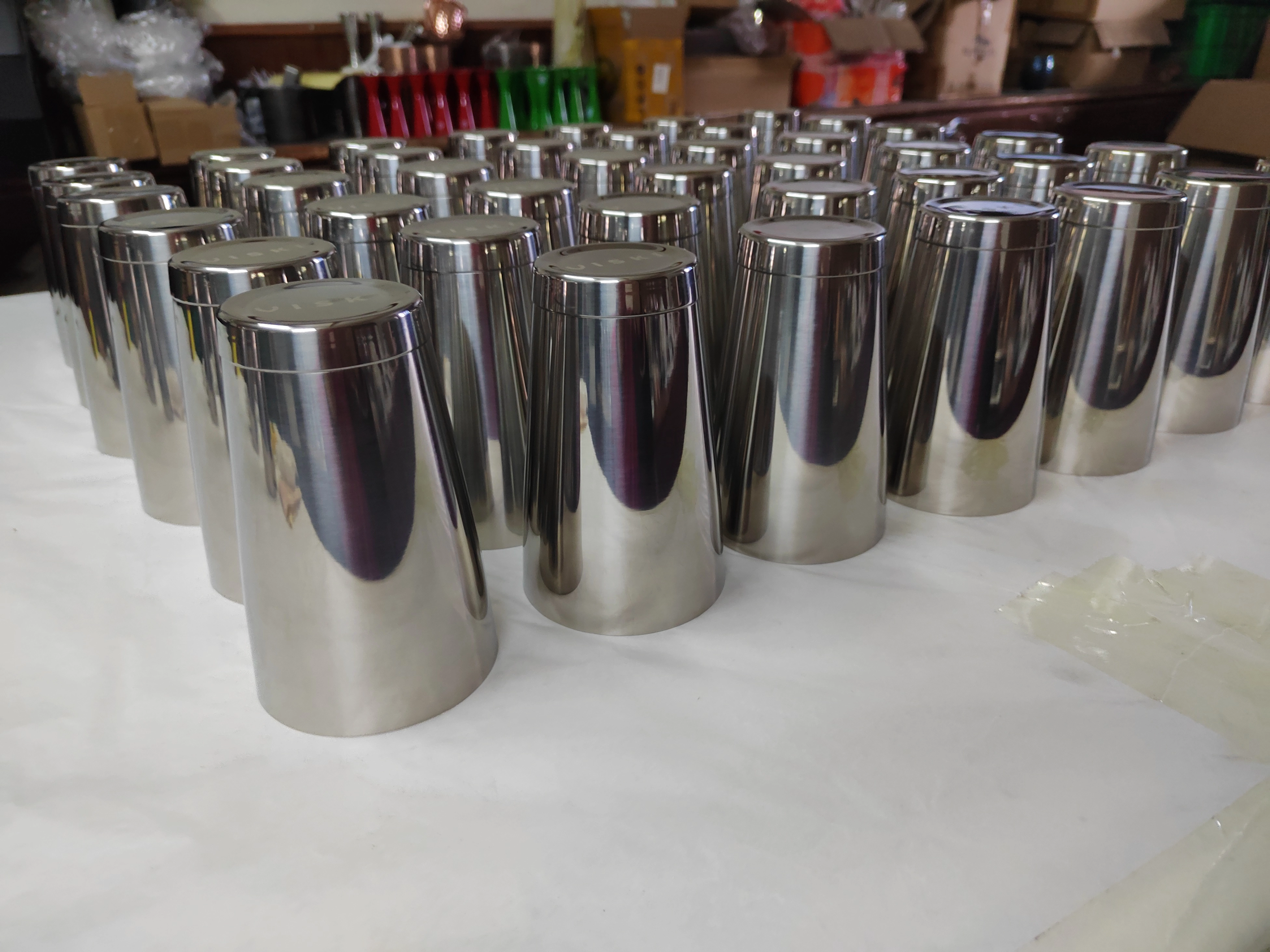
A step-by-step QC checklist for bulk cocktail shaker orders: fit and seal, leak testing, rims and formed edges, dimensions and capacity, finish and logo, function, and packaging—plus how to record defects and decide whether to release or hold a lot.
Read More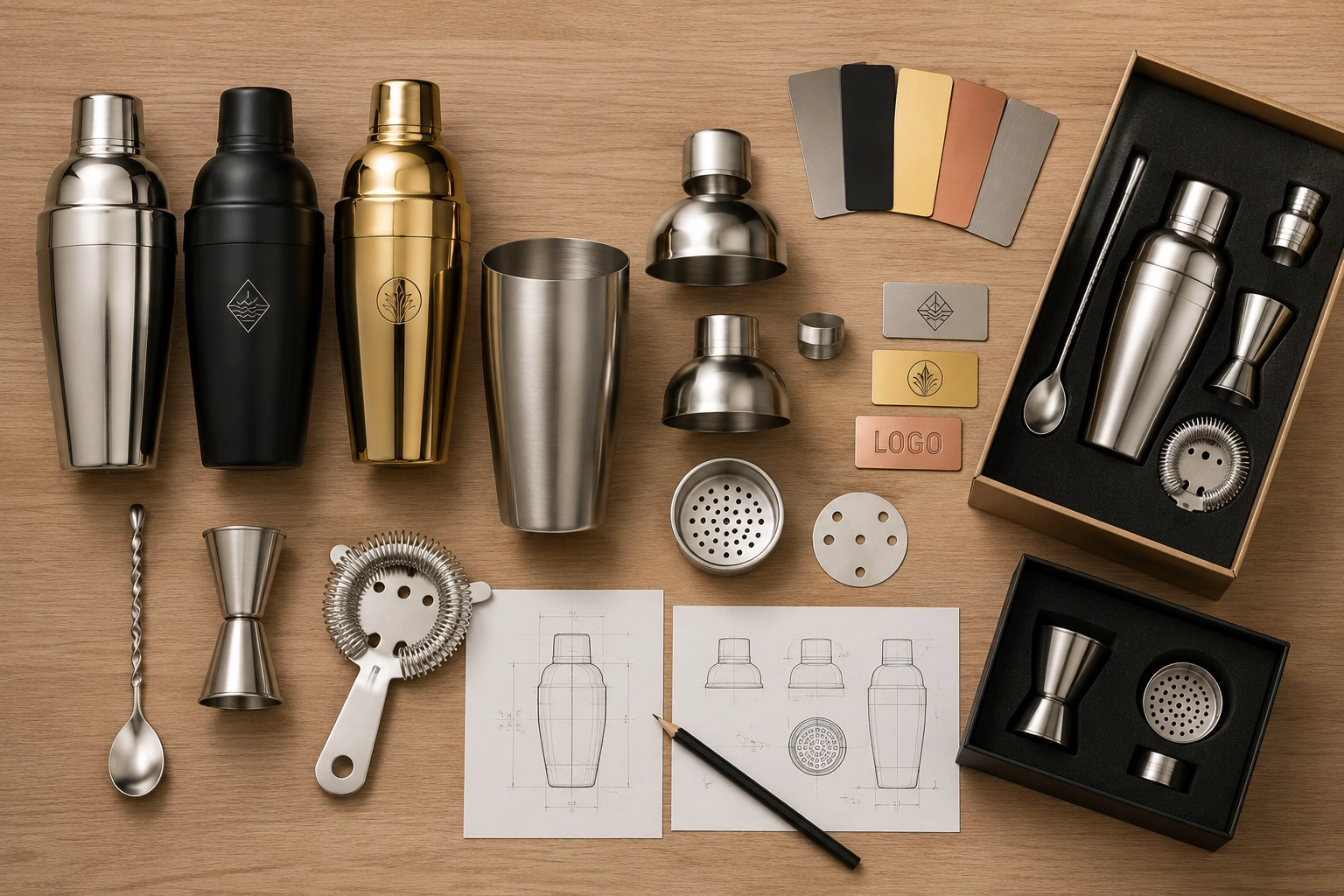
For private label barware brands: how to specify, sample and quote a custom cocktail shaker set, and how to keep its components, finish, branding, packaging and repeat orders consistent as one product.
Read More