








ShenZhen E-BON Industrial Co..Ltd
-Professional manufacturer for the stainless steel products

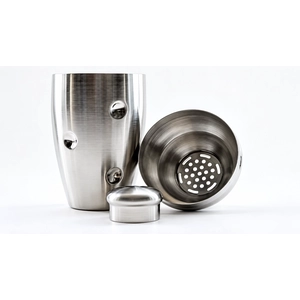
A French shaker seals with nothing but two pieces of steel — no threads, no lugs, no gasket. That means only two things can go wrong: it leaks while you shake, or it locks shut after you do. Both come from the same set of dimensions. This is the engineering behind that joint: why it has to be a shallow cone rather than a press fit, the four values E-BON sets before cutting tooling (8–12 mm engaged length, 2°–3° taper per side, 0.10–0.25 mm interference, 0.5–1.0 mm axial clearance), why roundness rather than diameter is what buyers feel, why the mouth needs a separate sizing die after springback, and why a plated version cannot share the same mouth dimension as an unplated one.
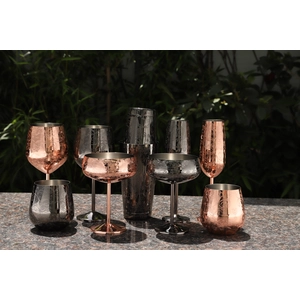
Consolidates the etched-tumbler cluster from the 40-topic pool (production checklist, artwork requirements, defect prevention) into one buyer-facing guide: what etching is and how it differs from printing/debossing/embossing, artwork file requirements before quoting, defect-prevention checkpoints specific to etched surfaces (etching depth, edge deburring, pattern registration, cross-finish consistency), and MOQ/packaging using the real egg-shaped 20oz 304 stainless tumbler as a reference spec.
Explains the material difference between 304 and 201 stainless steel, why 201 shows up in aggressively priced barware quotes, where the difference actually shows up after an order ships (corrosion, finish stability, the unreliable magnet-test shortcut), and gives buyers a concrete way to confirm grade in writing before comparing supplier quotes.

Gives B2B barware buyers a practical way to tell a manufacturer from a trading company, explains what ISO 9001, Sedex 4-Pillar, and BSCI audits actually verify, and covers third-party testing and export documentation to confirm before sending an RFQ.
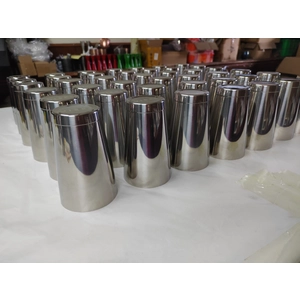
A practical quality control checklist for importers and private label brands inspecting cocktail shaker samples and bulk lots. It covers approved references, Boston and Cobbler fit, leak testing, formed edges, dimensions, capacity, finishes, logos, function, packaging, defect records and lot release.
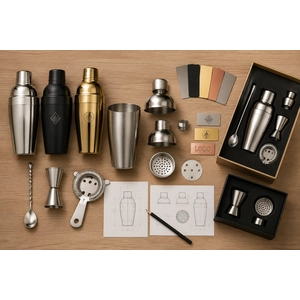
This BOFU comparison helps cocktail shaker buyers choose OEM, ODM or a hybrid route by identifying who owns the product definition, what must be developed, how samples differ and what information a manufacturer needs for an accurate quotation.
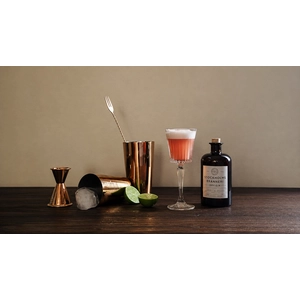
A BOFU guide for private label barware brands defining how to specify, sample and quote a custom cocktail shaker set while keeping its components, finish, branding, packaging and repeat orders under one product system.
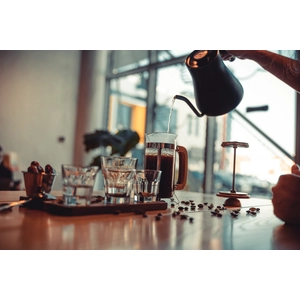
French press sediment does not come from one cause. This article separates normal metal-filter silt from excess sludge and visible grounds, then shows how grind distribution, mesh fineness, filter layers, edge fit and plunger resistance help identify the source.
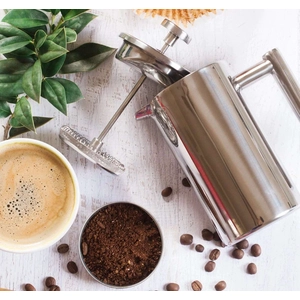
A practical French press answer page with an interactive ratio calculator, water-based ratio chart, six-step daily method, ratio and brew-time adjustments, grind guidance, and direct fixes for bitter, weak, sour, muddy, or sediment-heavy coffee.
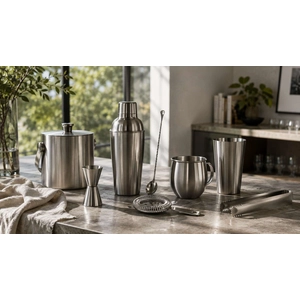
A practical framework for turning multiple shakers, jiggers, strainers, mugs and accessories into one recognizable barware collection through shared design anchors, controlled variation and range-level sample approval.
An outdoor wine glass does not fail only when it breaks. It can also fail when it tips on a crowded tray, becomes slippery beside a pool, takes too much room in an event crate, or makes a carefully planned wine service feel like a compromise.
That is why the useful question is not whether one material is “perfect.” Stainless steel wine glasses for outdoor use are a strong choice when the main risks are broken glass, repeated handling, transport, or reusable branded service. They are a weaker choice when guests need to inspect the wine visually or expect the familiar feel of thin crystal. The right construction depends on which failure the venue needs to prevent.
A pool bar, rooftop restaurant, wedding caterer, and camping retailer may all request outdoor stainless steel wine glasses, but they are not buying the same solution. One prioritizes the absence of glass shards. Another needs a formal table presentation. A third worries about packing and washing hundreds of pieces. The fourth needs a product that travels well after it leaves the store.
| Environment | Main service risk | Useful starting direction |
|---|---|---|
| Poolside or beach club | Broken glass, wet grip, unstable surfaces | Stemless body, stable base, smooth food-contact interior |
| Rooftop or restaurant patio | Presentation, tray stability, wind, repeated service | Balanced stemmed goblet or low-center stemless design |
| Wedding, festival, or catering event | Transport, sorting, cleaning, finish damage | Simple construction with a confirmed packing and wash process |
| Camping, picnic, or outdoor retail | Weight, storage space, portability, gift presentation | Compact stemless cup or tumbler selected for the retail promise |
Where a venue prohibits glass near the pool, stainless steel solves a direct operational problem: a dropped cup may dent or scratch, but it does not scatter sharp glass fragments across a wet walking area. That benefit is concrete. It does not need to be inflated with claims that every stainless cup is indestructible.
The next problems appear only after the breakage question is solved. Wet hands make grip important. A narrow base or high center of gravity may be awkward on loungers and side tables. A dark exterior can become uncomfortable after prolonged exposure to direct sun. A decorative surface that looks impressive in a rendering may show scratches quickly if cups are stacked or collected together.
For this environment, we normally begin the discussion with the base, body profile, and contact surfaces rather than the logo. A stemless form with a stable footprint is often the practical starting point. If temperature control is central to the service promise, a double-wall structure may make sense; if low weight and simpler handling matter more, single-wall construction may be enough. The decision should follow the service routine, not the word “outdoor.”
A rooftop restaurant or hotel terrace has a different problem. Avoiding breakage matters, but the glass still has to belong on a composed table. Guests notice the silhouette, rim, weight, balance, and the way the server places and removes it. A product can survive the environment and still be wrong for the venue.
Stemmed stainless goblets provide a more traditional presentation and keep the hand away from the bowl, but a tall design can be less stable in wind or on a crowded tray. Stemless glasses lower the center of gravity and simplify handling, yet they change the visual language of the table. Neither format wins automatically.
The rim deserves particular attention. A heavy rolled edge may be durable but more noticeable during drinking. Bowl opening also affects how easily the guest can smell the wine. These points are covered in more detail in our article on whether stainless steel wine glasses affect wine taste. On this page, the important point is operational: a patio glass must protect both service continuity and the intended guest experience.
For wedding rental, festivals, tasting events, and mobile catering, the visible serving moment is only one part of the product’s work. Before and after that moment, the glasses are counted, packed, transported, unloaded, washed, dried, and packed again.
This changes the design priorities. A complex stem may require more protective space. A mirror finish may reveal handling marks. A plated or coated exterior may need separators to avoid abrasion during transport. A shape that cannot nest or pack efficiently can increase carton volume even when each piece is relatively light.
“Reusable” is meaningful only when the cleaning and handling process is known. A buyer should not assume that every coating, decal, adhesive label, or decorative detail tolerates the same commercial wash routine. The intended method should be confirmed during sampling. If individual protection is needed between events, that requirement belongs in the packaging plan rather than being discovered after the first delivery.
A retail customer packing for a picnic or camping trip thinks differently from a hotel beverage manager. The product must fit into a bag, vehicle, picnic basket, or gift set. Weight, packed dimensions, and protection between pieces may matter as much as capacity.
The retail promise should therefore come first. If the package says “portable wine glass,” the packed size and setup experience need to support that claim. If it promises a premium outdoor table, shape and finish become more important. If it is sold as a temperature-control tumbler, wall construction must carry the value. Combining every promise in one product usually produces a less convincing result.
Stainless steel should not be presented as a replacement for every wine glass. Clear glass remains more suitable when color, clarity, and traditional tasting cues are part of the service. A winery conducting analytical tastings may prefer a controlled glass format even if breakage creates additional handling work.
Transparency may also be part of the venue’s presentation. Rosé, sparkling wine, layered drinks, and garnishes can depend on visibility. In those cases, Tritan or another suitable clear alternative may align better with the guest experience, subject to the venue’s material and care requirements.
| Construction | What it does well | Tradeoff to verify |
|---|---|---|
| Single-wall stemless | Simple, relatively light, stable, easy to carry | Hand and ambient temperature transfer more readily |
| Double-wall stemless | Reduces heat transfer and supports a tumbler-style experience | More volume, weight, and production complexity |
| Stemmed stainless goblet | More formal silhouette and less hand contact with the bowl | Balance, packing space, stem strength, and tray stability |
Food-contact construction must be clear regardless of format. The International Organisation of Vine and Wine identifies polished AISI 304 or 316 stainless steel for relevant wine-contact equipment, but buyers still need to confirm the declared material and finished inner surface of the actual cup. An exterior color or decorative treatment should not be confused with the surface that touches the drink.
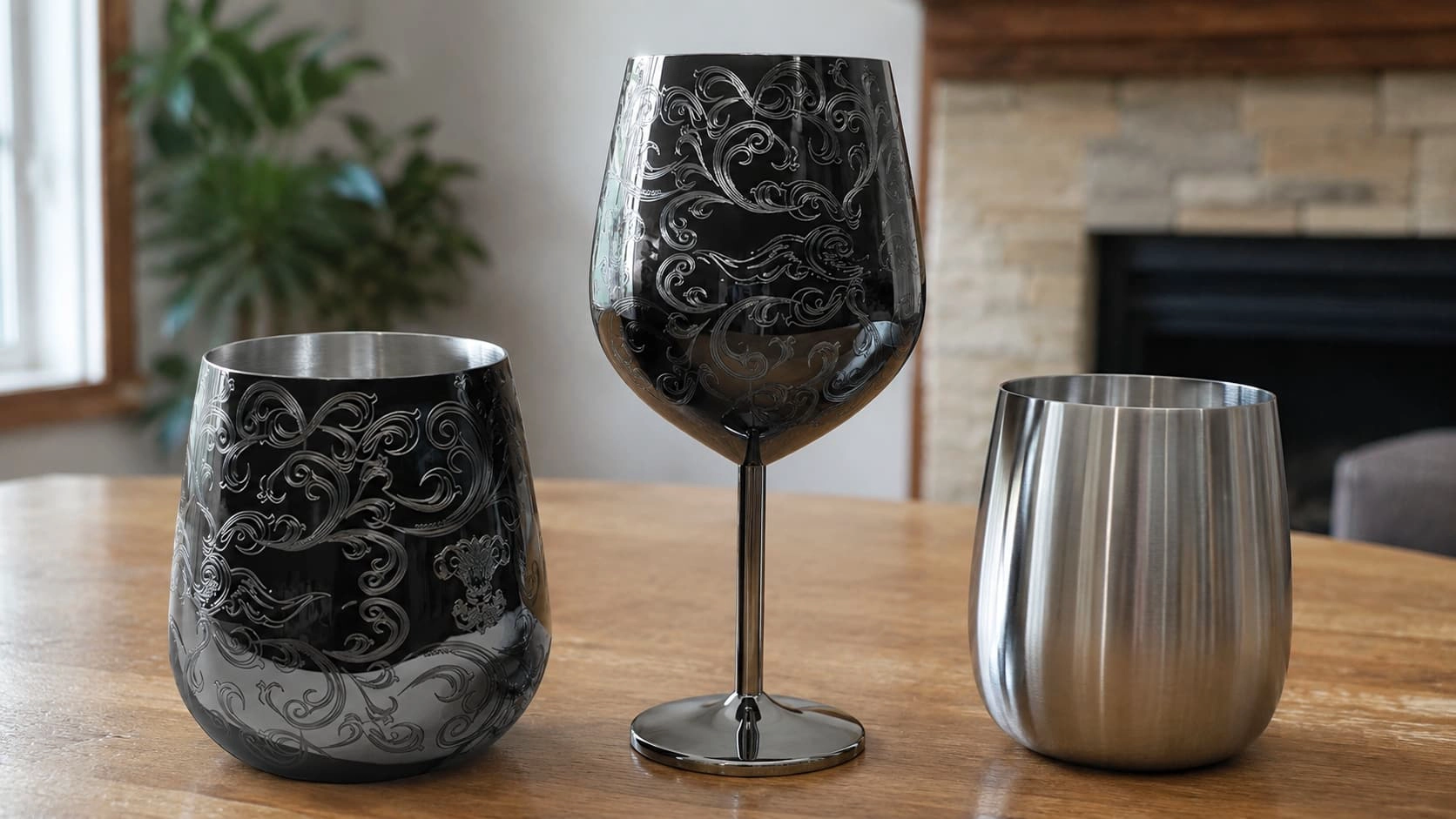
We tested one 17 oz single-wall stainless steel wine glass filled with cold water. The sample weighs 371 g and its recorded dimensions are 19.5 × 10 × 22.5 cm. The test was designed to observe temperature change and the condition of the outer wall during a normal one-hour service period.
| Time | Water temperature | Observation |
|---|---|---|
| 0 minutes | 6.1°C | Starting temperature |
| 15 minutes | About 8.5°C | Temperature beginning to rise |
| 30 minutes | About 13°C | Noticeable warming |
| 45 minutes | About 16°C | Temperature continued to rise |
| 60 minutes | About 19°C | Outer wall heavily covered with condensation |
The result shows the practical tradeoff of this single-wall construction. It begins light and direct, but it does not isolate the drink from ambient heat in the way a double-wall vessel is intended to. For poolside and patio service, the heavy condensation observed at 60 minutes also makes exterior grip and table moisture part of the decision, not just beverage temperature.
These figures describe this sample under this test, not every stainless steel wine glass. A future comparison with a double-wall design should use the same liquid volume, starting temperature, ambient conditions, and time points. Even as a single-sample result, it gives a buyer more useful information than a general claim that stainless steel “keeps wine cold.”
Stainless steel works outdoors because it can remove specific service risks, not because one material is universally superior. Poolside operations may prioritize the absence of glass fragments and a secure grip. Restaurants must balance durability with presentation. Event companies need a product that survives the entire logistics cycle. Outdoor retailers need a form that makes sense inside the package as well as outside it.
If you are planning an outdoor drinkware program, send E-BON the service environment, preferred shape, expected cleaning method, transport conditions, and target presentation. We can compare the available constructions, review the food-contact and finish requirements, and prepare a sample direction before bulk production. You can also review one stainless steel wine glass direction as a starting reference, then adjust the structure to the job it needs to do.