French press sediment does not come from one cause. This article separates normal metal-filter silt from excess sludge and visible grounds, then shows how grind distribution, mesh fineness, filter layers, edge fit and plunger resistance help identify the source.
A practical French press answer page with an interactive ratio calculator, water-based ratio chart, six-step daily method, ratio and brew-time adjustments, grind guidance, and direct fixes for bitter, weak, sour, muddy, or sediment-heavy coffee.
A practical framework for turning multiple shakers, jiggers, strainers, mugs and accessories into one recognizable barware collection through shared design anchors, controlled variation and range-level sample approval.
For most high-volume commercial bars, a tin-on-tin Boston shaker is the stronger primary tool. This article compares service speed, cleaning, straining, menu fit and bulk-order checks, while showing where a Cobbler still makes operational sense.
A practical method for mapping a commercial bar station around the drink-production path, fixed tool positions, clean-to-dirty movement, shared-station ownership and opening resets. It also helps operators and buyers distinguish a true tool shortage from a reset, cleaning-return or fixed-layout problem before changing the barware order.
A commercial buying guide comparing Hawthorne, Julep and fine mesh cocktail strainers by drink method, filtration role, pouring speed, vessel fit and cleaning workload. It gives bars a clear way to choose a practical station combination.
A station-by-station buying plan for commercial bars deciding how many shakers, jiggers, strainers, mixing tools and backup units to order. It explains how peak workflow, menu mix, washing conditions, layout and tool loss change the final quantity.
A practical guide for private-label brands, importers and bulk buyers approving barware before mass production. It covers the PPS checklist, water-weight capacity checks, change control, third-party testing and the handoff to production sampling inspection.
A practical explanation of why wine may seem different in stainless steel, how to identify a real off-flavor, and when steel or glass is the better choice.
This guide explains what a jigger is, why its capacity varies, and how to read common oz and ml markings. It also shows how to use and check the tool, compare major styles, and avoid treating 25/50 ml, 30/60 ml, and 1/2 oz as identical.
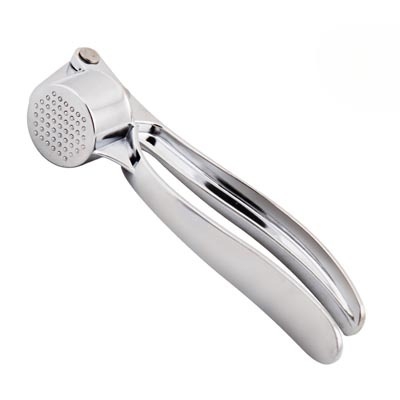
A portable kitchen gadget: Stainless Steel Garlic Press
2017-05-08 15:26:08
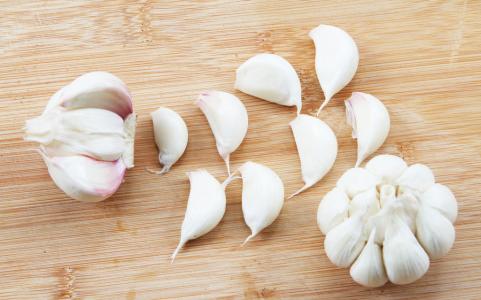
You could use a chef's knife to chop garlic into tiny bits or smash it into a paste, but if you're aiming for speed (aren't we all?), it's a lot easier to use a press to crush garlic right into your salad bowl or frying pan. Plus, we've found that there's also a huge difference in flavor. When we topped spaghetti with olive oil and garlic (some pressed, some minced with a knife), we found the flavor was far more intense in the batch made with the garlic press.
And we know how getting out of the kitchen after dinner and onto helping with homework or curling up on the couch is also a priority, so we like to see a press that has a cleaning mechanism or scraper to help you get rid of any residue before you wash it.
Another thing to think about when you're out shopping is how you like your garlic chopped. If you like little cubes, look for a press with larger holes. For a finer, more "grated" chop, choose one with smaller openings.
Ready to get cooking? Once you're in full garlic mode, keep these other useful tips in mind:
• The best place to store garlic is in a dry place at room temperature, not the fridge.
• If you need to peel the garlic before crushing it, use the flat edge of a large knife, and push down on a clove until you hear it crack. Then, peel away the skin.
• To get the garlic smell off your hands, wash them with soap and water, and then rub them over a stainless steel item, like a soup spoon or your faucet.