Consolidates the etched-tumbler cluster from the 40-topic pool (production checklist, artwork requirements, defect prevention) into one buyer-facing guide: what etching is and how it differs from printing/debossing/embossing, artwork file requirements before quoting, defect-prevention checkpoints specific to etched surfaces (etching depth, edge deburring, pattern registration, cross-finish consistency), and MOQ/packaging using the real egg-shaped 20oz 304 stainless tumbler as a reference spec.
Explains the material difference between 304 and 201 stainless steel, why 201 shows up in aggressively priced barware quotes, where the difference actually shows up after an order ships (corrosion, finish stability, the unreliable magnet-test shortcut), and gives buyers a concrete way to confirm grade in writing before comparing supplier quotes.
Gives B2B barware buyers a practical way to tell a manufacturer from a trading company, explains what ISO 9001, Sedex 4-Pillar, and BSCI audits actually verify, and covers third-party testing and export documentation to confirm before sending an RFQ.
A practical quality control checklist for importers and private label brands inspecting cocktail shaker samples and bulk lots. It covers approved references, Boston and Cobbler fit, leak testing, formed edges, dimensions, capacity, finishes, logos, function, packaging, defect records and lot release.
This BOFU comparison helps cocktail shaker buyers choose OEM, ODM or a hybrid route by identifying who owns the product definition, what must be developed, how samples differ and what information a manufacturer needs for an accurate quotation.
A BOFU guide for private label barware brands defining how to specify, sample and quote a custom cocktail shaker set while keeping its components, finish, branding, packaging and repeat orders under one product system.
French press sediment does not come from one cause. This article separates normal metal-filter silt from excess sludge and visible grounds, then shows how grind distribution, mesh fineness, filter layers, edge fit and plunger resistance help identify the source.
A practical French press answer page with an interactive ratio calculator, water-based ratio chart, six-step daily method, ratio and brew-time adjustments, grind guidance, and direct fixes for bitter, weak, sour, muddy, or sediment-heavy coffee.
A practical framework for turning multiple shakers, jiggers, strainers, mugs and accessories into one recognizable barware collection through shared design anchors, controlled variation and range-level sample approval.
For most high-volume commercial bars, a tin-on-tin Boston shaker is the stronger primary tool. This article compares service speed, cleaning, straining, menu fit and bulk-order checks, while showing where a Cobbler still makes operational sense.
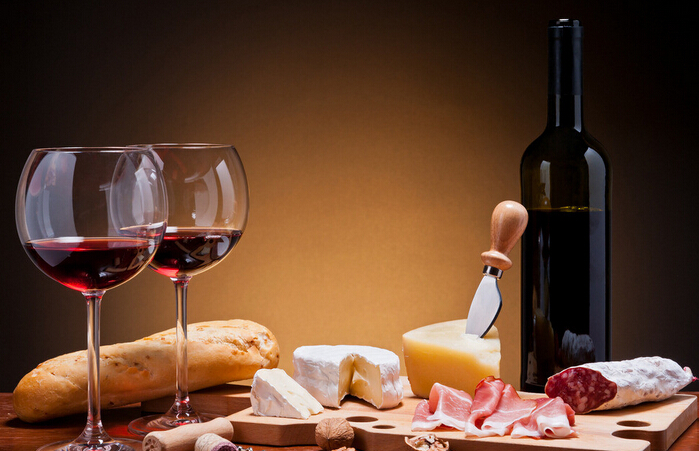
More and more people want to drink red wine. Most of them are bought from the market, and some of them are made from their own homes. So what is the best container for wine making and grape fermentation?
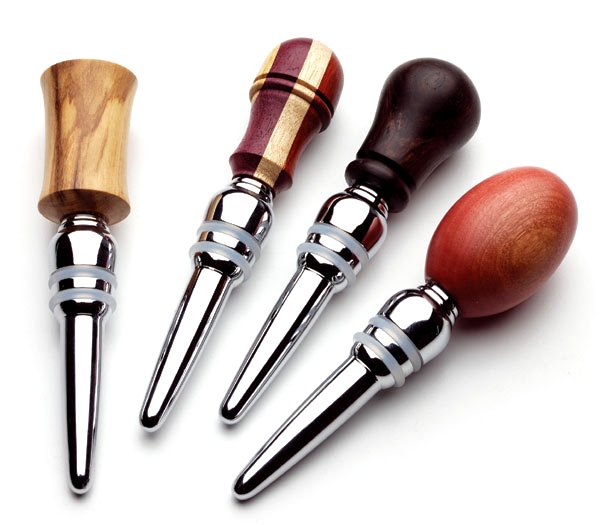
The most common containers for wine are plastic, ceramics, glass and the like. Glass: Glass itself does not make wine smell bad. A bottle bottle can be made of cork, synthetic plug, screw cap or Bottle Stopper Champagne Wholesale China. If storage conditions are ideal, the wine can be stored for several years without deterioration.
Plastic: If you do not need long-term Wine but short-term storage, you can choose plastic bottles, but compared to the glass bottle, the plastic bottle density is a little poor, making it easier to track oxygen. Quality Affecting the wine Within a year, however, the quality of the wine was not significantly affected by oxygen. As a result, plastic bottles of wine can also store for a short time. Ceramic cement: Ceramic containers suitable for a short period of alcohol fermentation (a fermentation) stage, through opaque, can not see internal changes, thus better suited for wine preparation and wine consumption. Novice not try, the ceramic container relatively bulky and not easy to seal, cleaning and disinfection, pottery is 800 degrees burned clay, the internal low density, so that good air permeability, Wine to avoid oxidation, it is not suitable For wine. So when making wine at home, glass bottles are ideal for alcohol fermentation and wine bottling. For more information click here: China Stainless steel manufacturers.