French press sediment does not come from one cause. This article separates normal metal-filter silt from excess sludge and visible grounds, then shows how grind distribution, mesh fineness, filter layers, edge fit and plunger resistance help identify the source.
A practical French press answer page with an interactive ratio calculator, water-based ratio chart, six-step daily method, ratio and brew-time adjustments, grind guidance, and direct fixes for bitter, weak, sour, muddy, or sediment-heavy coffee.
A practical framework for turning multiple shakers, jiggers, strainers, mugs and accessories into one recognizable barware collection through shared design anchors, controlled variation and range-level sample approval.
For most high-volume commercial bars, a tin-on-tin Boston shaker is the stronger primary tool. This article compares service speed, cleaning, straining, menu fit and bulk-order checks, while showing where a Cobbler still makes operational sense.
A practical method for mapping a commercial bar station around the drink-production path, fixed tool positions, clean-to-dirty movement, shared-station ownership and opening resets. It also helps operators and buyers distinguish a true tool shortage from a reset, cleaning-return or fixed-layout problem before changing the barware order.
A commercial buying guide comparing Hawthorne, Julep and fine mesh cocktail strainers by drink method, filtration role, pouring speed, vessel fit and cleaning workload. It gives bars a clear way to choose a practical station combination.
A station-by-station buying plan for commercial bars deciding how many shakers, jiggers, strainers, mixing tools and backup units to order. It explains how peak workflow, menu mix, washing conditions, layout and tool loss change the final quantity.
A practical guide for private-label brands, importers and bulk buyers approving barware before mass production. It covers the PPS checklist, water-weight capacity checks, change control, third-party testing and the handoff to production sampling inspection.
A practical explanation of why wine may seem different in stainless steel, how to identify a real off-flavor, and when steel or glass is the better choice.
This guide explains what a jigger is, why its capacity varies, and how to read common oz and ml markings. It also shows how to use and check the tool, compare major styles, and avoid treating 25/50 ml, 30/60 ml, and 1/2 oz as identical.
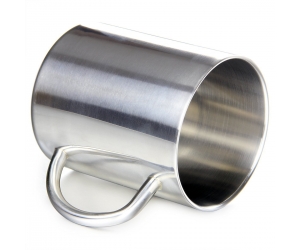
Introduction of materials for stainless steel cups!
2017-06-27 15:28:01
Some people use the stainless steel cup of tea, in a period of time after the placement, stainless steel cup wall appears to be signs of corrosion, this phenomenon will make many people begin to worry about Stainless Steel Milk Cup wholesales China is not there will be such a bad phenomenon. In fact, the "food grade" stainless steel do not have to worry about the problem of heavy metals, because these materials in use when it has passed the security check, Julep Cup Brush finished supplier for use in production when the material is food grade products, so in the use of the environment is not dangerous.
The worse the stainless steel beer mug China,stainless steels are, the more likely they are to corrode. In the test time, can not be used as food grade stainless steel, corrosion resistance is poor, easy to precipitate nickel, chromium and other heavy metals, so it can not be used in pots, bowls, cups and other food contact containers. Stainless steel basically can absorb magnet slightly, have weak magnetism. So it's not possible to use this method to tell whether it is stainless steel. There is no magnetic stainless steel, chromium and nickel to steel mainly in injection content, many high grade stainless steel products may be weakly magnetic, so when we judge is not stainless steel, this method is not feasible.
Whether the stainless steel product is safe or not is mainly the transfer of heavy metals. As long as the qualified stainless steel products do not need to take into account this problem.