A practical framework for turning multiple shakers, jiggers, strainers, mugs and accessories into one recognizable barware collection through shared design anchors, controlled variation and range-level sample approval.
For most high-volume commercial bars, a tin-on-tin Boston shaker is the stronger primary tool. This article compares service speed, cleaning, straining, menu fit and bulk-order checks, while showing where a Cobbler still makes operational sense.
A practical method for mapping a commercial bar station around the drink-production path, fixed tool positions, clean-to-dirty movement, shared-station ownership and opening resets. It also helps operators and buyers distinguish a true tool shortage from a reset, cleaning-return or fixed-layout problem before changing the barware order.
A commercial buying guide comparing Hawthorne, Julep and fine mesh cocktail strainers by drink method, filtration role, pouring speed, vessel fit and cleaning workload. It gives bars a clear way to choose a practical station combination.
A station-by-station buying plan for commercial bars deciding how many shakers, jiggers, strainers, mixing tools and backup units to order. It explains how peak workflow, menu mix, washing conditions, layout and tool loss change the final quantity.
A practical guide for private-label brands, importers and bulk buyers approving barware before mass production. It covers the PPS checklist, water-weight capacity checks, change control, third-party testing and the handoff to production sampling inspection.
A practical explanation of why wine may seem different in stainless steel, how to identify a real off-flavor, and when steel or glass is the better choice.
This guide explains what a jigger is, why its capacity varies, and how to read common oz and ml markings. It also shows how to use and check the tool, compare major styles, and avoid treating 25/50 ml, 30/60 ml, and 1/2 oz as identical.
This guide helps brand owners, hospitality buyers, importers, and distributors turn a barware concept into a workable product. It explains how use, material construction, finish, logo placement, functional details, sampling, testing, and packaging should be considered together before bulk production.
In custom logo barware production, a logo failure usually begins before printing. The artwork may have been approved without checking the curve of the cup. The ink may have been selected without confirming the coating. A laser setting may have produced a permanent mark, but not the color or contrast the buyer expected.
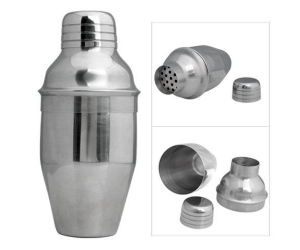
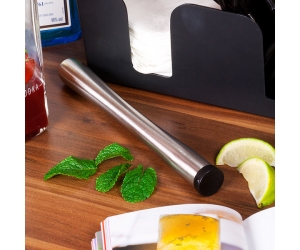
With the wide stainless steel plate into people's lives, Stainless Steel Mini Cocktail Shaker 250ML, Flat Base Stainless Steel Muddler, stainless steel elevator products more and more of our lives to create more and more convenient, but many people do not know how he was cleaning and maintenance, so often to shorten his life, so how to cleaning and maintenance is also very important following a brief introduction:
1. Dust and dirt on the surface. Wash with soap, weak lotion and warm water 2, trademarks, film with warm water and weak detergent to wash. Adhesive ingredients are scrubbed with alcohol or organic solvents. 3, surface grease, oil, lubricating oil pollution, wipe with a soft cloth, and then use neutral detergent or ammonia solution, or with special detergent to wash.
4, such as acid attachment, rinse with water immediately, then ammonia solution or neutral carbonated soda solution immersion, use neutral detergent or warm water washing. 5, stainless steel surface rainbow pattern, is too much use of detergent or oil caused by washing with warm water neutral wash can wash away. 6, stainless steel surface dirt caused by rust, can be used 10% nitric acid or grinding detergent washing, can also be washed with special washing drugs. E-BON, Kitchenware Supplier china, it can provide many kinds of tools: Stainless Steel Bottle Opener china.